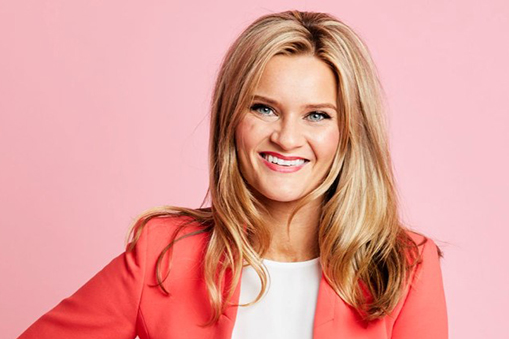
Molly Benjamin, Ladies Finance Club
Molly Benjamin, founder of the Ladies Finance Club, recalls presenting last year to 400 female university students. The investor education event, organised by students at four universities in Sydney, was part of International Women’s Day.
“I was blown away by the interest to start investing,” Benjamin says. "I got absolutely hounded after the event for more information. I loved it.”
Benjamin says the surging interest from young women in their late teens to twenties to invest is unlike anything she has seen. “It feels like a new trend that has only taken hold in the past few years. It’s going to get a lot bigger.”
For this article, Benjamin asked her Instagram followers why they started investing. “Many of them said it was due to housing affordability. If they can’t afford to buy a house, then they believe they are better off investing in the sharemarket and starting early, so they have more time to compound any returns."
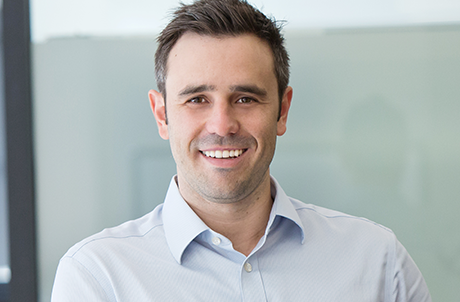
Chris Brycki, Stockspot
Stockspot founder and CEO Chris Brycki is seeing a similar trend. Women now make up almost half of Stockspot’s clients, from about a quarter in 2015. “That’s been one of the biggest changes we’ve seen over the past decade,” he says.
The number of women under 35 joining Stockspot has risen 27% over the past year, Brycki says. “Younger women increasingly see investing as a normal part of becoming financially independent, and they’re not waiting for a partner or a large lump sum before getting started.”
“Investing has also become much more accessible over the last decade - you no longer need to pick shares or follow the market every day. You can start by investing in diversified products and seek to build wealth steadily over time."
Although female participation in investing is improving, Brycki notes the gender investment imbalance hasn’t disappeared. For Stockspot clients, women under 35 have a median Stockspot balance of A$11,921. For men, it’s A$15,056.

Ron Hodge, InvestSmart
InvestSmart founder and CEO, Ron Hodge, says there has been a clear shift in who is investing in Australia, with younger people and women making up a growing share of investors.
“20% of our investors are under 40, while women account for 37% of our overall investor base,” Hodge says. “That reflects a broader trend. ASX research has shown that half of the 1.2 million Australians who entered the investment market between 2020 and 2023 were women.”
Hodge says building wealth independently is a particularly important driver for young women. “Career breaks, periods of part-time work and the gender pay gap can all affect how much women accumulate over their working lives, including in superannuation. Starting earlier can give investments more time to grow and help build greater financial flexibility over the long term.”

Here are nine tips from the experts for intending young investors:
1. Start as soon as you can
Molly Benjamin says the big takeout from her presentation to female university students was the desire to start investing. “They realised that starting early is one of the keys to building long-term wealth because you have more time for any returns on your money to compound,” she says.
2. Start with your financial goal
Hodge says intending young investors should consider what they are investing for and when they are likely to need that money back. “A goal that is two years away calls for a very different approach to a goal that is 10 or 20 years away. Your goal helps set your timeframe, and your timeframe helps determine how much is appropriate.”
3. Learn about investing
Benjamin says anyone who wants to start investing should commit to at least one hour a month on investor education. “There’s so much good, free investment information available these days. You might, for example, listen to a finance podcast on the way to work. Investing can seem intimidating at the start, but every investor at some stage knew nothing about investing and had to learn it.
4. Don’t be afraid to invest small
Benjamin says she has met young women who suddenly have A$1,000 to invest. Her advice? Take a breath, step back and invest in small amounts. "You could start with A$50, then A$100, and gradually increase the amount as you get more comfortable,” she says. “There are plenty of investment platforms now that let you get started with relatively small amounts."
5. Lock it in
Benjamin says investors might consider establishing an automated deduction from their pay into their investments. It might just be a small amount set aside each month. Some people find that making regular contributions helps simplify the process and removes the need to decide when to contribute. This approach is commonly referred to as dollar-cost averaging, where a fixed amount is invested regularly over time.”
6. Diversify from the beginning
Stockspot’s Chris Brycki says young investors might consider diversifying their portfolio at the start through exchange-traded funds. Investment options such as ETFs can provide exposure to a broad range of investments across Australia and overseas through a single investment. That’s a much more reliable foundation than trying to pick the next winning share.”
(Like all investments, ETFs have risks that investors need to consider. Diversification is no guarantee against the risk of a capital loss in a falling market. More information on the features, benefits and risks of ETFs is available here.)
7. Consider getting advice
Brycki says getting financial advice upfront can help young investors choose a portfolio tailored to their financial needs and risk tolerance. “It can help you stay on track when markets become volatile, rather than making an emotional decision at the worst possible time,” he says.
8. Beware market ‘noise’
InvestSmart’s Ron Hodge says social media has made investing more visible and given younger investors access to voices and experiences to which they relate. “But it can also amplify short-term trends, speculative ideas and individual stock tips. The challenge is knowing what is useful, what is hype and what is simply not relevant to your goals.”
9. Know the risks
“Young investors should take time to understand the risks involved in investing and how they would react to market falls,” says Hodge. “Having decades ahead of you can be an advantage, but it does not mean taking risks you do not understand. Markets will fall from time to time, and investors need to be aware of that risk."
From ASX
Start investing outlines some of the basic principles of investing, helping investors on their path to creating a diversified portfolio and achieving their financial goals.
DISCLAIMER
Information provided is for educational purposes and does not constitute financial product advice. You should obtain independent advice from an Australian financial services licensee before making any financial decisions. Although ASX Limited ABN 98 008 624 691 and its related bodies corporate (“ASX”) has made every effort to ensure the accuracy of the information as at the date of publication, ASX does not give any warranty or representation as to the accuracy, reliability or completeness of the information. To the extent permitted by law, ASX and its employees, officers and contractors shall not be liable for any loss or damage arising in any way (including by way of negligence) from or in connection with any information provided or omitted or from any one acting or refraining to act in reliance on this information.
© Copyright ASX Operations Pty Limited ABN 42 004 523 782. All rights reserved 2026.
More Investor Update articles
Don’t miss the latest insights from ASX Investor Update on LinkedIn
The views, opinions or recommendations of the author in this article are solely those of the author and do not in any way reflect the views, opinions, recommendations, of ASX Limited ABN 98 008 624 691 and its related bodies corporate (“ASX”). ASX makes no representation or warranty with respect to the accuracy, completeness or currency of the content. The content is for educational purposes only and does not constitute financial advice. Independent advice should be obtained from an Australian financial services licensee before making investment decisions. To the extent permitted by law, ASX excludes all liability for any loss or damage arising in any way due to or in connection with the publication of this article, including by way of negligence.