• publish

Report overview and panel discussion

Electronic trading in the 1980s introduced a new era of high frequency trading (HFT) whereby firms tried to get as close as possible to an exchange’s matching engine. By the 2000s, the exchanges were moving their matching engines into colocation data centres, where they were joined by the HFTs and their service providers.

It was not long before exchanges realised the benefits of this ecosystem and the exchange colo was born.

ASX are proud to sponsor this forward-looking report from Kapronasia on the evolution of capital market ecosystems and the importance of market connectivity.


Watch Kapronasia's panel discussion.

Evolution of data centres: trends to watch

cloud icon

The shift to the cloud

icon of six circles connected by lines to represent a network

Connectivity via high quality networks

icon of two lines crossing paths inside a circle

Interconnectedness between exchange ecosystems

footprint icon

Consolidation of data centre footprint

Featured case studies

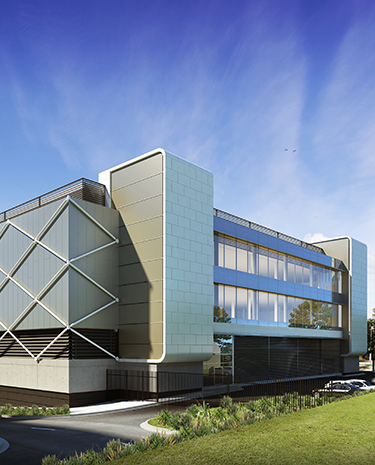
ASX Australian Liquidity Centre (ALC)


In 2012, the ASX finished construction and opened the doors of the ALC, a 500 cabinet, tier-3 designed facility just outside the Sydney CBD. It has been specifically built for financial market ecosystem participants. The ALC has also invested in ensuring equal length connectivity into trading platforms. That means that no matter where a customer’s cabinet is located on the colo floor they will have the same latency in and out of the market.


“It was important for us to build a fair, equal, and transparent platform which market participants could come and operate their business within. Clarity, transparency, trust, and respect are something we pride ourselves on.”

- Adam Bradley, General Manager, Head Of Sales, Trading Services at ASX


ASX's Australian Liquidity Centre building

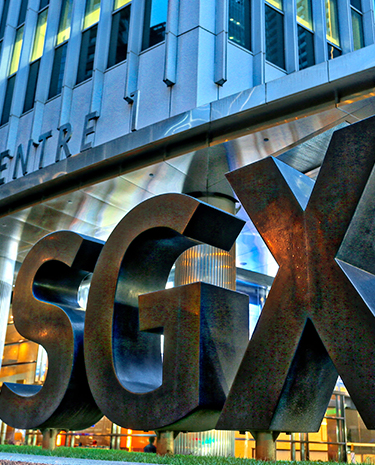
SGX Data Centre


In April 2011, SGX opened its new state-of-the-art SGX Data Centre. The SGX exchange-operated data centre is differentiated from other data centres with a personalised focus on their customers.


“Generic data centres have a one-size-fits-all kind of environment that focuses on features such as redundancy, capacity, cooling, etc. For us, when we speak to our customers, it is not about my redundancy, or my cooling, these are all given. It is about the market opportunity that we can provide. It is about how we can meet our customers’ needs.”

- Goh Boon Kian, Vice President of Data, Connectivity & Indices at SGX


SGX sign outside the Singapore Exchange Centre

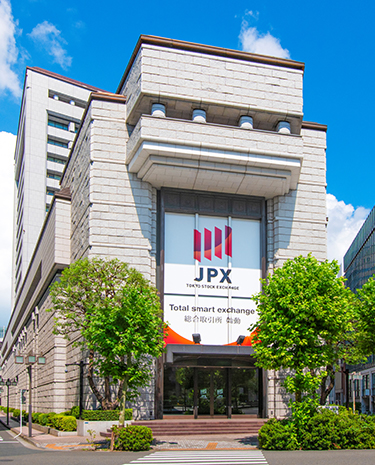
JPX


The appearance and development of high-frequency trading in Japan was not unlike what the industry had seen in other geographical markets around the world insofar that in the early 2000s, there started to be more interest in Japan for high-frequency trading. To address the increased demand for faster trading, the JPX launched their new trading platform called “arrowhead” in 2010. Simultaneously, the exchange launched their colocation service to allow market participants to be closer to the exchange’s matching engines.


“Many users coming into our colocation area would of course like to use the brokers and vendors within the facility... That then attracts other participants which creates a very good, positive, and productive ecosystem.”

- Mr. Hisamura Kosuke, Head of Colocation Service at JPX


Japan Exchange Group building

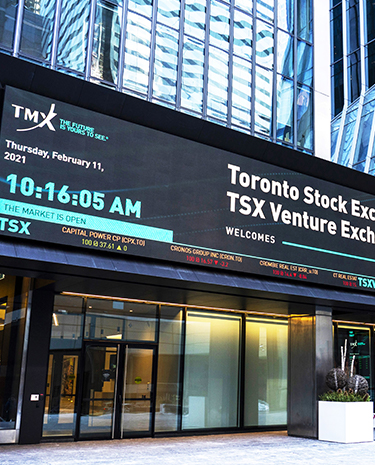
TMX Colocation Data Centre


In June 2010, TMX Group Inc., which operates the Toronto Stock Exchange, announced the completion of its new colocation facility, the TMX Colocation Data Centre.


“Our colocation ecosystem has evolved into a one-stop shop for financial market participants and value-added service providers... having a vast ecosystem provides a more frictionless environment for market participants to conduct business.”

- Howland Chew, Head, TMX Colocation Product Management at the TMX Group


Toronto Stock Exchange building

Other insights

Generic data centres vs exchange colos

What are the unique benefits in collocating with an exchange

The Exchange Consolidation Model

Learn how it works and explore the many benefits

A look into the future

As exchange-operated data centres, their ecosystems, and their markets evolve, what changes are on the horizon?