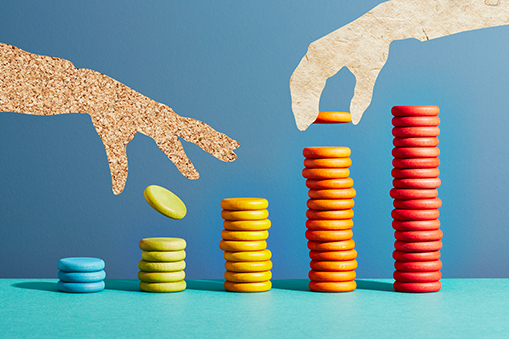
ASX Investor Update asked investment experts to outline their main considerations when investing A$1,000, A$10,000 and A$100,000.
We gave the experts three main parameters: consider the needs of first-time investors; assume they are starting an investment rather than adding to an existing one; and provide general investor education rather than specific investment ideas.
The experts agreed on a few core principles: before investing any amount, understand your goals, risk tolerance and timeframe. Also, whether your investment is appropriately diversified and if you have the time and skill to invest directly or prefer to use a fund to do it for you.
The experts also discussed the features, benefits and risks of using exchange-traded funds (ETFs), particularly for the A$1,000 and A$10,000 amounts.
ETFs make it easy to gain exposure to a wide range of investments in a single trade via ASX, may aid portfolio diversification, and generally have lower fees than professionally managed funds that invest actively rather than track an index.
ETFs carry risks that investors should understand. The value of an ETF may rise or fall depending on the performance of the underlying investments it holds. While ETFs could help diversify a portfolio, they cannot eliminate the risk of losses if a market declines. Before using ETFs, consider taking the free online ASX ETF course to better understand their features, benefits and risks.
Here are the expert’s views:
1. Shani Jayamanne
Director, Investment Specialist, Morningstar
Co-author of Invest Your Way.
Key takeout: If you plan to make additional investments, consider that upfront.
With A$1,000, the first thing I’d think about is whether I will make additional investments. For example, if you can save A$500 from your pay each month, you might invest that money to grow the initial A$1,000. Having determined your investment goals and chosen an asset that is aligned to your needs, the additional investments may change the investment options open to you. Understand your future plans for the investment first, as it may mean a better suited investment.
Diversification is another consideration. Do I invest directly in one share or invest in a fund that provides exposure to hundreds of shares? A multi-asset ETF that holds a mix of different assets including shares and bonds may be a consideration for those who want instant diversification with their A$1,000.

Shani Jayamanne, Morningstar
The main risk with a multi-asset ETF is choosing the wrong level of exposure. For example, a long-term investor who seeks capital growth might not achieve their required rate of return if they choose a multi-asset ETFs that has a high weighting of defensive assets, such as bonds. These exposures are set within the ETF, so as your circumstances change, it is less flexible than individual asset-class ETFs.
Another consideration is how much time and skill you have to manage a A$1,000, A$10,000 or A$100,000 portfolio. In my case, I don’t have time or inclination to monitor individual companies or pour over my portfolio each day, so I use ETFs to do it for me. Also, I don’t believe I have the skill to consistently achieve a better return than the sharemarket, so I prefer to use ETFs that track an index and aim to provide the market return.
Although investing for the first time can seem daunting, the good news is that it’s never been easier or cheaper to invest small amounts. Investors should always beware of the risk of ‘chasing performance’ by choosing assets mostly on their past rather than future returns.
2. Rachel Waterhouse
CEO, Australian Shareholders’ Association (ASA)
Key takeout: Focus on risk and consider a mix of shares and ETFs
It’s easy to think that the risk of investing A$1,000 is a lot less than investing A$10,000 or A$100,000. But if that A$1,000 represents most of a young person’s savings, the risk of losing that amount is huge. So, even with small amounts, you should always think about managing risk and what would happen if the value of your investment fell.
Brokerage and minimum parcel sizes are other considerations. The initial purchase in any stock must be at least A$500, according to ASX Operating Rules. If you plan to hold lots of stocks with the A$10,000 and A$100,000 amounts, consider how brokerage costs could affect your returns after transaction costs.
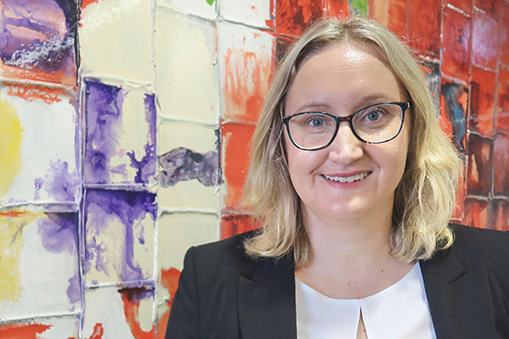
Rachel Waterhouse, ASA
ETFs have become more popular with first-time investors, but investing directly in shares could be a good way to get started in the market and learn about investing. If you like a particular company and are familiar with its products and services, you might buy its shares and add other companies to your portfolio over time.
Overall, I see A$1,000 as getting started in investing; A$10,000 is about building the foundations of a portfolio; and A$100,000 is where you focus much more on portfolio construction and maintenance, asset allocation and diversification through having a mix of shares and funds, across local and global assets.
3. Chris Brycki
CEO, Stockspot
Key takeout: Consider simple, low-cost, long-term strategies
Whether you’re investing A$1,000, A$10,000, A$100,000 or even A$100 million, the core principles shouldn’t change. The most important decisions are asset allocation, diversification, keeping costs low and staying invested for the long term. In Stockspot’s view, those factors have a far greater impact on long-term return than trying to pick the next winning stock, fund or sector.
Having more money to invest doesn’t mean you need a more complex strategy. Stockspot believes that simple, low-cost, long-term, diversified portfolios may outperform some more complex investment approaches after fees and taxes.
No one knows for sure which asset class or country will outperform over the next decade. The great thing about diversification is that you don’t have to make that bet.
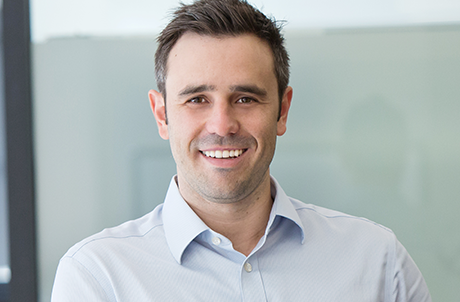
Chris Brycki, Stockspot
To diversify portfolios, we favour ETFs that provide exposure to thousands of companies worldwide at a fraction of the cost of actively managed funds.
With asset allocation, we build portfolios by combining ETFs in global and Australian shares, emerging markets, bonds and gold. We change allocations to these ETFs as market conditions change.
An automated ETF portfolio still has investment risk because markets can fall and diversification can’t prevent losses. An investor’s goals, financial circumstances and tolerance for risk can also change over time. That’s why the advice should be reviewed at least annually to ensure the portfolio remains appropriate.
4. Ron Hodge
CEO, InvestSmart
Key takeout: Consider simple, low-cost, long-term strategies
The amount you have to invest may change your investment options, but it shouldn't change the process. Before investing, make sure you have money set aside for emergencies, consider whether you have expensive debt to repay, and be clear about why you are investing and when you may need the money back.
With A$1,000, I would keep things simple. The more important step is to start a regular investment habit. The initial A$1,000 gets the portfolio moving, but regular contributions will help you reach your financial goals much quicker.
The main risk is putting short-term money into long-term assets. If the investor expects to need the A$1,000 soon, a savings account may be more appropriate than the sharemarket. Someone investing for five to ten years may generally be able to afford and accept more market volatility than someone who may need the money in the next year or two.
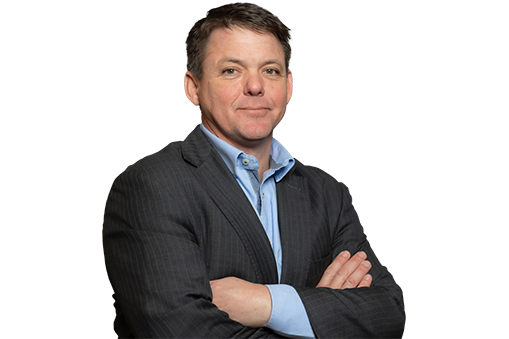
Ron Hodge, InvestSmart
At A$10,000, an investor has enough capital to begin building a broader portfolio, but there is still no need to turn it into a complex web of investments. The mix matters more than the number of products. For example, owning four ETFs that all invest heavily in the same large US technology companies, is not more diversified than owning one well-constructed global share ETF.
With A$100,000, an investor has enough to build a well-diversified core portfolio, with a smaller portion invested in long-term trends or themes they believe in.
At the A$100,000 level, tax, fees, rebalancing and how the portfolio fits with superannuation and other assets become increasingly important. The aim is not to make the portfolio complicated, but to use the additional capital thoughtfully: a diversified portfolio core for resilience, complemented by selected satellite investments (outside the core) where the investor has genuine understanding and conviction about an asset.
Across all three amounts, the principles remain the same: match the investment to the timeframe, diversify sensibly, keep costs under control and avoid reacting to every market headline. The best portfolio is one the investor understands and can continue holding during periods when markets inevitably become uncomfortable.
From ASX
Investing in ETFs and other Exchange Traded Products has information on the features, benefits and risks of these funds.
DISCLAIMER
Information provided is for educational purposes and does not constitute financial product advice. You should obtain independent advice from an Australian financial services licensee before making any financial decisions. Although ASX Limited ABN 98 008 624 691 and its related bodies corporate (“ASX”) has made every effort to ensure the accuracy of the information as at the date of publication, ASX does not give any warranty or representation as to the accuracy, reliability or completeness of the information. To the extent permitted by law, ASX and its employees, officers and contractors shall not be liable for any loss or damage arising in any way (including by way of negligence) from or in connection with any information provided or omitted or from any one acting or refraining to act in reliance on this information.
© Copyright ASX Operations Pty Limited ABN 42 004 523 782. All rights reserved 2026.
More Investor Update articles
Don’t miss the latest insights from ASX Investor Update on LinkedIn
The views, opinions or recommendations of the author in this article are solely those of the author and do not in any way reflect the views, opinions, recommendations, of ASX Limited ABN 98 008 624 691 and its related bodies corporate (“ASX”). ASX makes no representation or warranty with respect to the accuracy, completeness or currency of the content. The content is for educational purposes only and does not constitute financial advice. Independent advice should be obtained from an Australian financial services licensee before making investment decisions. To the extent permitted by law, ASX excludes all liability for any loss or damage arising in any way due to or in connection with the publication of this article, including by way of negligence.