
Will precious metals continue to shine?
- Fri 06 March 2026
The features, benefits and risks of including exposure to gold, silver and platinum in portfolios.
Key points
- The prices of precious metals have rallied over the past 12 months as investors seek exposure to physical assets in uncertain markets.
- Different metals can play different portfolio roles: gold is typically regarded as defensive, while silver and platinum are seen as being more closely linked to industrial and economic growth.
- Some Exchange Traded Funds (ETFs) on ASX provide exposure to precious metals. Like all investments, precious metal ETFs have risks to consider. The main risks of investing in precious metals are explained later in this article.
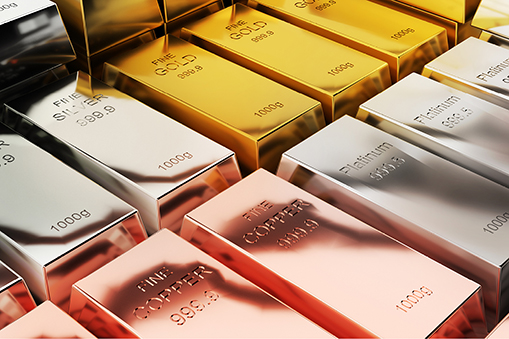
Precious metals have been used as stores of value, mediums of exchange and industrial inputs for centuries. Despite their long history, they have rarely felt as relevant as they do today, with many news headlines on the 'precious metals mania'.
Over the past 12 months, gold, silver and other precious metals have delivered some of their strongest performances in decades, capturing renewed investor attention.
In Global X’s view, a mix of persistent inflation concerns, geopolitical uncertainty, rising central bank demand and long-term structural shifts, including electrification and artificial intelligence (AI), has driven investors back towards hard assets, such as precious metals.
Global X believes many of these forces appear structural rather than cyclical, leading investors to reassess the role precious metals can play within diversified portfolios.
Understanding precious metals
Precious metals are naturally occurring metals with high economic value, driven by their scarcity, durability and wide-ranging uses.
The four most commonly accessed precious metals by investors are gold, silver, platinum and palladium. While often grouped together, each metal has distinct characteristics:
1. Gold
The most well-known precious metal, gold, is often viewed as a defensive safe-haven asset. It has historically been used as a store of value and hedge against currency devaluation, inflation and geopolitical risk.
Unlike most financial assets, gold has no cash flows – its value is derived from scarcity, durability and investor confidence.
In Global X’s view, in recent years gold demand has been supported by central bank buying, increased usage of gold ETFs and diversification away from US-centric assets, amid a shift from the US dollar.
2. Silver
Silver sits at the intersection of monetary and industrial demand. While it has historically been used as money, more than half of silver demand comes from industrial applications [1]. Silver plays a critical role in solar panels, electric vehicles, electronics and semiconductors, making it closely tied to electrification and energy transition trends.
This dual role can make silver more volatile than gold but could also offer greater upside during periods of strong economic growth.
3. Platinum and palladium
These are primarily industrial metals. They are heavily used in catalytic converters for vehicles, helping reduce harmful emissions, and are increasingly being explored for applications in hydrogen fuel cells.
These metals tend to have smaller, less liquid markets compared to gold and silver, which can lead to sharper price movements when supply or demand shifts.
Why precious metals have outperformed
As the chart below shows, the past 12 months have seen a powerful rally across precious metals, placing them among the best-performing asset classes globally.
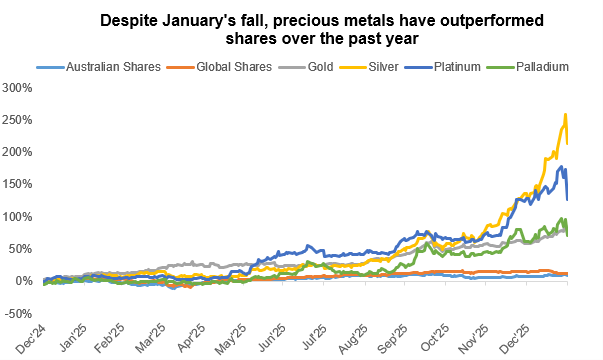
Source: Bloomberg from 31 December 2024 to 31 January 2026 in AUD. Indices used: S&P/ASX 200 Index, MSCI World Index, LBMA Gold Price, LBMA Silver Price, LBMA Platinum Price, LBMA Palladium Price. Past performance is not a reliable indicator of future performance. You cannot invest directly in an index.
Several factors have contributed to this move
- Central bank demand: central banks have been buying gold at near-record levels, seeking to diversify reserves away from fiat currencies and reduce reliance on the US dollar [2].
- Inflation and currency concerns: while inflation has moderated from recent peaks, concerns remain around long-term currency debasement and rising government debt.
- Geopolitical uncertainty: ongoing conflicts and heightened geopolitical tensions may have reinforced gold’s role as a defensive asset.
- Structural growth themes: silver and platinum may have benefited from electrification, renewable energy investment and AI-driven demand for advanced electronics.
- Exchange Traded Fund (ETF) accessibility: growing global ETF usage has made it easier for investors to allocate capital to precious metals via exchanges.
Why include precious metals in a portfolio
From a portfolio-construction perspective, precious metals can potentially serve multiple roles.
First, they may act as portfolio diversifiers. Precious metals, particularly gold, have historically shown a low correlation (relationship) to traditional asset classes such as shares, as the table below shows. This means precious metals may help smooth portfolio returns during periods of market stress.
20 Year Correlation Matrix
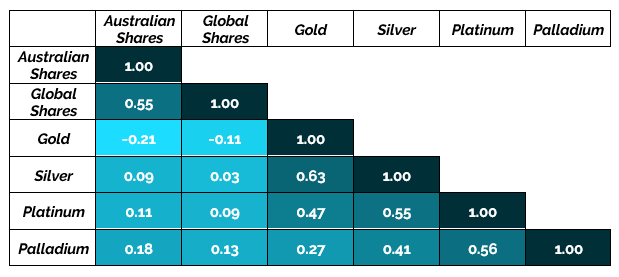
Source: Bloomberg from 31 January 2006 to 31 January 2026 in AUD using weekly correlations. Indices used: S&P/ASX 200 Index, MSCI World Index, LBMA Gold Price, LBMA Silver Price, LBMA Platinum Price, LBMA Palladium Price. Past performance is not a reliable indicator of future performance. You cannot invest directly in an index.
Second, precious metals can potentially provide defensive characteristics. As the chart below shows, gold has often performed well during equity market falls, acting as a form of portfolio insurance.
Gold trends to rise when share markets fall
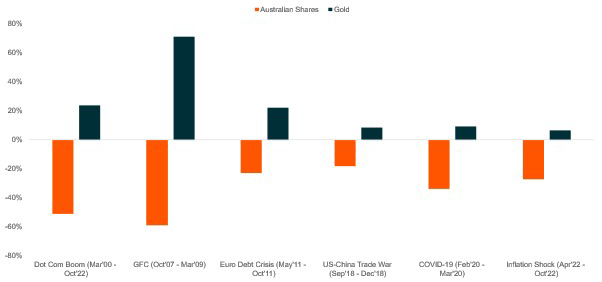
Source: Bloomberg using MSCI World Index and LBMA Gold Price (AUD)
Past performance is not a reliable indicator of future performance. You cannot invest directly in an index.
Third, some precious metals offer growth exposure. Silver and platinum are leveraged to industrial activity, electrification and emerging technologies such as AI, meaning they may benefit from global economic expansion and structural investment trends.
Risks of investing in precious metals
While precious metals may offer diversification benefits, they are not without risk. Their main risks include:
- Price volatility: precious metals prices can be volatile, particularly silver, platinum and palladium, which have smaller and less liquid markets than gold.
- No income: precious metals do not generate cash flows such as dividends or interest. Returns are entirely dependent on price appreciation.
- Sensitivity to macro-economic factors: interest rates, currency movements and economic growth expectations can all influence precious metals prices.
- Industrial demand risk: metals with higher industrial usage are exposed to economic slowdowns and changes in technology.
Even when long-term structural themes appear supportive, short-term price movements in precious metals can diverge sharply from fundamentals.
For this reason, precious metals are, in Global X’s view, generally best used as a complementary portfolio allocation rather than a standalone investment.
Why use ASX-listed precious metals ETFs?
Historically, investing in precious metals often meant purchasing physical bullion, arranging secure storage, paying insurance costs and dealing with wide transaction spreads. For many investors, this was impractical.
ASX-listed precious metals ETFs may offer a simpler and more accessible solution. ETFs provide transparent exposure to the underlying precious metal, with prices available throughout the trading day. ETFs eliminate the need for physical storage of precious metals and typically offer lower transaction costs than buying bullion directly.
Today, precious metals ETFs account for more than $13 billion in assets on the ASX and have grown at a compound annual rate of around 38% over the past decade, as the chart below shows.
More information on the benefits and risks of ETFs is available here.
ASX-listed precious metals ETFs
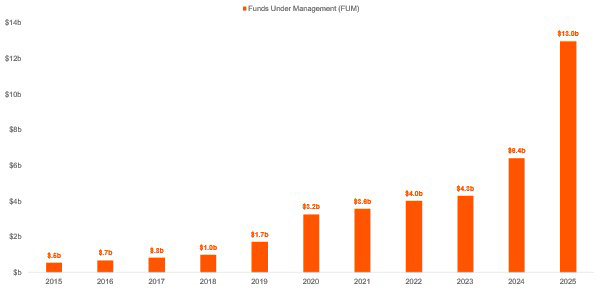
Source: Global X, ASX as of 31 December 2025.
Conclusion
Precious metals are among the oldest asset classes in the world, yet their relevance continues to evolve. Gold’s defensive characteristics, alongside silver and platinum’s exposure to industrial and technological change, may enable precious metals to play multiple roles in modern portfolios.
From ASX
Options over GOLD ETF offers investors tools which could cushion their portfolios from sudden downturns in the gold price whilst potentially growing wealth and providing information about exchange traded options linked to gold ETFs.
--------------------------
[1] The Silver Institute as of December 2025.
[2] The World Gold Council as of December 2025.
About the author
DISCLAIMER
Issued by Global X Management (AUS) Limited (‘Global X’) (AFSL 466778, ACN 150 433 828). Global X Physical Gold (GOLD), Silver (ETPMAG), Platinum (ETPMPT), Palladium (ETPMPD) and Precious Metals Basket (ETPMPM) are issued by Global X Metal Securities Australia Limited, a corporate authorised representative (CAR No: 001274650) under Global X. This is general information only and not personal advice. This communication doesn't consider your personal circumstances or needs. Investors should consider whether these products are appropriate for them, obtain financial advice and read the product disclosure statement (PDS), prospectus (as applicable) and target market determination (TMD) before making investment decisions. All PDSs, prospectuses and TMDs are available on our website: www.globalxetfs.com.au. Investment in any products are subject to risks, including possible delays in repayment and loss of income and principal invested. Past performance is not a reliable indicator of future performance. This content may not be reproduced, distributed or published by any recipient for any purpose. Global X nor any of its affiliates make any warranty as to the accuracy of any data used or displayed in this communication or to the performance of any product.
More Investor Update articles
Don’t miss the latest insights from ASX Investor Update on LinkedIn
The views, opinions or recommendations of the author in this article are solely those of the author and do not in any way reflect the views, opinions, recommendations, of ASX Limited ABN 98 008 624 691 and its related bodies corporate (“ASX”). ASX makes no representation or warranty with respect to the accuracy, completeness or currency of the content. The content is for educational purposes only and does not constitute financial advice. Independent advice should be obtained from an Australian financial services licensee before making investment decisions. To the extent permitted by law, ASX excludes all liability for any loss or damage arising in any way due to or in connection with the publication of this article, including by way of negligence.