
Ladies Finance Club founder Molly Benjamin planned a water birth for her daughter, Amali. Instead, complications led to an emergency caesarean section and eight days in hospital.
“The closest I came to a water birth was washing my hands in hospital,” jokes Molly. “No amount of planning can ever fully prepare you for childbirth or the impact it can have on your finances, job and superannuation.”
Each year, almost 300,000 women in Australia give birth. Motherhood can profoundly affect finances, careers and superannuation, particularly amid high living costs, property prices and childcare fees.
ASX Investor Update asked three new mums how they prepared financially for motherhood. Their approaches included saving before the birth, investing in exchange-traded funds (ETFs) for their children and reviewing superannuation.
The mums emphasised the need to review household finances early in the pregnancy, plan for extra baby expenses and have open, honest conversations about motherhood and money issues with their partner.
As important, was new mums maintaining their financial independence. Investing for baby is important, but so, too, is ensuring new mums think about their superannuation, career and own finances – and not always put others first when it comes to money.
For Molly, debilitating morning sickness affected her work. “I went from earning a good income to suddenly being on the minimum wage. It’s especially challenging for small business owners who have to keep their business afloat if they get sick during the pregnancy or on maternity leave.”
Beyond prams, cots and change tables, Molly and her partner faced unexpected medical bills. Private insurance helped, and her partner earned a good wage, but the out-of-pocket costs still stung.
“The bills don’t stop coming when you have a baby,” says Molly. “You already feel more vulnerable when you give birth, and now you are financially dependent on your partner, which can add to that vulnerability.”
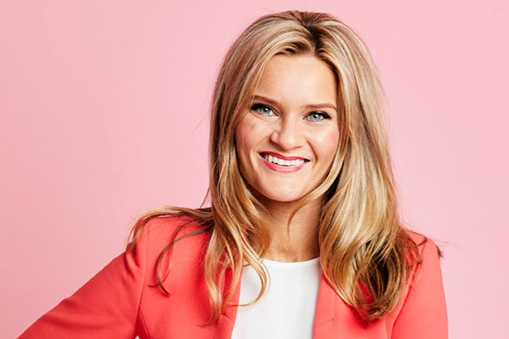
Molly Benjamin, Ladies Finance Club
During pregnancy, Molly started saving for baby expenses. She reviewed her superannuation and continues to invest through exchange-traded funds. (Like all investments, ETFs have risks. You can learn more about the features, benefits and risks of ETFs here.)
“New mums and their partners should start saving for all the baby expenses as soon as possible,” says Molly. “But once you start investing for your child, you want to keep it simple. I use low-cost ETFs because I don’t have the time to be picking individual stocks or watching them.”
Molly cherishes motherhood but wishes she and her partner had discussed money earlier. “I hear the same thing from other new mums in the Ladies Finance Club community. They say that they didn’t sit down with their partner early enough, or at all, to decide how their finances will be split, whether their partner will contribute to your superannuation, and other money issues. It’s so important to get on top of these issues early.”
New perspective on money
Bell Direct senior market analyst Grady Wulff lives and breathes investing. But becoming a first-time mum to Freddie this year changed her approach to money.
“Before my pregnancy, I had a lot of flexibility with money, being able to buy something if I wanted it,” she says. “Now I’m much more conscious of financial risk and how every dollar counts. I know that if we want to send Freddie to a good school we need to maximise our investment savings now.”
Grady’s pregnancy came as a surprise. After being told she had low fertility, Grady increased her private health insurance to cover egg freezing. Following her mother’s death, she unexpectedly became pregnant.

Grady Wulff, Bell Direct
“My partner and I were really thrown in the deep end,” she says. “We now had this giant curveball of having a baby and we needed to plan for it financially. Fortunately, we both have good jobs, but it was a real shock to the system, particularly when I wasn’t sure if I could have children.”
Motherhood inspired Grady to launch Future Funded Bubs, a series of investing videos for new mums. Originally planned as 10 parts, the series has grown to 22 videos, each attracting thousands of viewers.
“I thought there was a gap for simple, straightforward education on money issues for new mums,” says Grady. “I wanted to provide information that new mums can relate to about money and help them understand the impact that having a baby has on their career and long-term finances.”
Grady conceived Future Funded Bubs during hourly feeds. “Freddie wasn’t putting on weight quickly enough, so I had to feed him at 2am, 3am and so on. Because I was badly sleep deprived, I started to worry about money and my career. I thought, rather than get stressed, I’m going to do something positive, so I put my thinking into Future Funded Bubs.”
Grady jokes that her focus on finance was timely. “We spend 54 cents on each nappy for Freddie – yes, 54 cents! - because he is allergic to every nappy on the planet, except for the premium, expensive ones.”
Grady also struggled with lost financial independence and a shift in identity. “I was seven years into my financial career, which I love, and knew exactly where I wanted to take it. I had just finished my third degree and was very driven to get high grades. Suddenly, my career is on hold and I’m relying on my partner for money.”
Grady and her partner have set up an investment fund for Freddie using three ETFs. They plan to invest $300 quarterly for six years, $500 quarterly for the next six, then $800 quarterly until he turns 18. “I estimate we’ll eventually have around $100,000 to help Freddie, assuming we can invest that much and everything goes to plan.”
Grady also audited household expenses. “We cut back on TV streaming channels, consolidated our private health and other insurance, reviewed our superannuation and spoke about creating a will. The goal was to reduce waste and free up as much cash to invest for Freddie.”
She discussed a return-to-work plan with her partner. “I’ve always been a bit anxious about my career progression and not wanting to fall behind. We spoke about when I wanted to return to work and how we’d manage that in terms of pre-planning for things like Freddie’s meals.”
Grady also learnt to invest in herself after feeling overwhelmed postpartum. “I was so burnt out. I felt like I had no independence or time for me. I hadn’t been to the gym or sauna and wasn’t investing in myself physically or financially. So, I decided to also focus on myself, not only on my family, and everyone benefited from that.”
Investing across generations
As a senior private wealth adviser at Shaw and Partners, Felicity Thomas spent years building her successful wealth management business within the firm. When she had Oliver, Felicity had to juggle motherhood and small business.
“Running your own business gives you freedom and flexibility, but business owners like me don’t get maternity leave or paid time off when they have a baby. You have to keep the business going while caring for your baby.”
Felicity credits her team, nanny and supportive husband. “I found a way to keep working from home and still spend plenty of time with Ollie, but it wasn’t easy.”
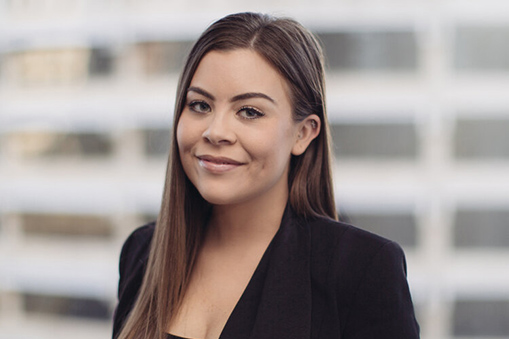
Felicity Thomas, Shaw and Partners
For Felicity, family investing now spans generations. “We set up an investment bond for Ollie that we and his grandparents can put money into. By the time he’s 25, he could have a good nest egg to help him get started.”
Felicity encourages women to invest early to build assets they can draw on after childbirth. “You might, for example, consider investing in an index ETF, allocate part of your pay to it each month, and let it compound over many years. When you have your baby, you can use income from that investment, or sell some of it, to help fund time out of the workforce. It gives you more options.”
Superannuation is another priority. “You should get advice on how you can maximise your super contributions, talk to your partner about splitting super contributions, and understand if you are eligible for a government contribution to your superannuation as part of paid parental leave. It’s important not to let your superannuation fall behind when you have a baby.”
Felicity urges new mums not to put their financial future on hold. “Motherhood may temporarily change your income, lifestyle and priorities, but it doesn’t mean abandoning your investment strategy and financial independence. Hopefully, you have a good partner you can rely on financially after having a baby, but you never know what might happen in the future. It’s so important for new mums to maintain their financial independence and have their own nest egg.”
From ASX
Information on the features, benefits and risks of ETFs is available here.
DISCLAIMER
The views, opinions or recommendations of the author in this article are solely those of the author and do not in any way reflect the views, opinions, recommendations, of ASX Limited ABN 98 008 624 691 and its related bodies corporate (“ASX”). ASX makes no representation or warranty with respect to the accuracy, completeness or currency of the content. The content is for educational purposes only and does not constitute financial advice. Independent advice should be obtained from an Australian financial services licensee before making investment decisions. To the extent permitted by law, ASX excludes all liability for any loss or damage arising in any way due to or in connection with the publication of this article, including by way of negligence.
More Investor Update articles
Don’t miss the latest insights from ASX Investor Update on LinkedIn
The views, opinions or recommendations of the author in this article are solely those of the author and do not in any way reflect the views, opinions, recommendations, of ASX Limited ABN 98 008 624 691 and its related bodies corporate (“ASX”). ASX makes no representation or warranty with respect to the accuracy, completeness or currency of the content. The content is for educational purposes only and does not constitute financial advice. Independent advice should be obtained from an Australian financial services licensee before making investment decisions. To the extent permitted by law, ASX excludes all liability for any loss or damage arising in any way due to or in connection with the publication of this article, including by way of negligence.