Stronger commodity prices, population growth and an end to the Iran conflict are among several factors that may influence the Australian sharemarket in the 2026-27 financial year.
Against that, higher interest rates, job losses, moderating house prices and sluggish economic growth are among several factors that could weigh on share prices in FY27.
These are the main competing influences on the outlook for Australian shares, according to three experts at Listed Investment Companies (LIC)s that specialise in Australian equities and have invested in our market for decades.
The experts agreed that Australian shares face an increasingly challenging 12 months as our economy slows and geopolitical risks rise, but differed in their view on the extent of possible market gains and the magnitude of threats.
Here is a summary of their views for Australian equities over the next 12 months:
1. Angus Gluskie
Managing Director, Whitefield Industrials (ASX:WHF) and Whitefield Income (ASX:WHI)
Key takeaway: Our sharemarket could have a solid year ahead as global economic and geopolitical risks recede.
Tailwinds
Valuations in our sharemarket have eased this year, largely due to the Iran conflict and its effects on oil prices, inflation, interest rates and consumer sentiment. We believe those negative effects could begin to reverse in the second half of 2026 as the Middle East conflict is, hopefully, resolved. That could see oil prices fall, easing pressure on inflation and giving central banks greater scope to keep interest rates on hold or lower them. As the global economic environment improves over the next 6–12 months, investors could view equity markets more positively, which could affect investor sentiment and valuations in different ways.

Angus Gluskie, Whitefield
Headwinds
The main potential headwind for markets is a protracted conflict in Iran that takes longer than expected to resolve. If inflation remains sticky and pressure builds on central banks to lift interest rates further, the outlook for local and global equity markets would become more challenging, although Whitefield sees this scenario as less likely.
Another possible headwind is problems in the global private credit market, which has seen a proliferation of lending this decade. A shock in the private credit market is not our base case, but it remains a risk to watch over the next 12 months. Rising unemployment from the faster uptake of artificial intelligence is another threat. AI could deliver long-term productivity benefits, but in the short term, a potential risk is higher-than-expected job losses.
On balance
If global risks continue to recede this year, as we expect, and the economy returns to its normal ebb and flow, Australian shares may be influenced by changing economic conditions as some recent pressures evolve. Also, our market is coming off a lower base due to lower company valuations this year, potentially supporting a stronger recovery in share prices.
2. John Abernethy
Founder, Clime Investment Managament, Chairman, Clime Capital (ASX:CAM)
Key takeaway: Our sharemarket could track sideways over 12 months, producing slightly lower-than-average returns.
Tailwinds
The main potential tailwind is population growth. Since the COVID-19 pandemic in 2020, Australian has added more than a million people through net overseas migration. As these newly immigrated people become more established in our economy, consuming goods and services, they will add to Australia’s economic growth, potentially benefiting non-discretionary retailing companies, building companies and others that gain from population growth.
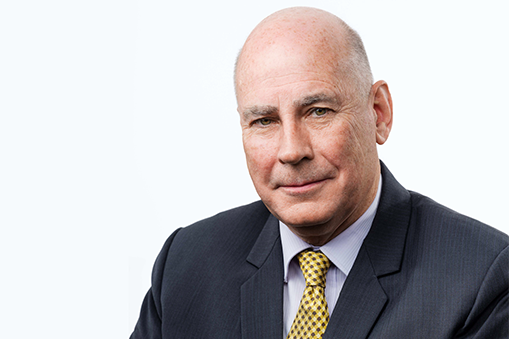
John Abernethy, Clime Capital
Headwinds
Markets are always forward looking, meaning the big risk is that investor expectations are not met. Australia’s economy historically grows on average each year at about 2.5% to 3%. Clime sees economic growth at 1% to 1.5% over the next 12-18 months. We could have an economy that grows more slowly than the market expects as consumer and household sentiment is affected by declining house prices that make people feel less wealthy, and wage growth that does not keep up with inflation.
Clime does not see the Australian economy going into recession but rather having a longer, grinding period of slow growth, which could translate into a sideways or ‘rangebound’ Australian sharemarket over 12 or so months. The key risk is house prices deflating too quickly, causing a spike in loan-servicing risks for banks. The largest shocks tend to be finance and housing related.
On balance
Clime suggests returns over the next 12 months may differ from long-term averages. The Australian equity market's long-term average return is about 8-9%. That said, if in 12 months we see future conditions improving for Australian shares, it could lead to potentially stronger gains in 2027-28.
3. Karl Siegling
Managing Director, Cadence, Portfolio Manager, Cadence Capital (ASX:CDM)
Key takeaway: A flat next 12 months for Australian shares would be a good outcome given the global and domestic risks.
Tailwinds
What could go right for Australian shares in 2026-27 is what usually goes right: we are a lucky country. The goods that other countries most want now – iron ore, copper, coal, gas, gold, silver, protein and other agricultural goods – are commodities that dominate our nation’s top exports. Stronger-than-expected demand for commodities could keep Australia’s economy in good stead over the next 12 months. Commodity prices can be volatile, so investors seeking commodity exposure through resource stocks needs a diversified approach or access to a fund manager who is experienced in this form of investing.
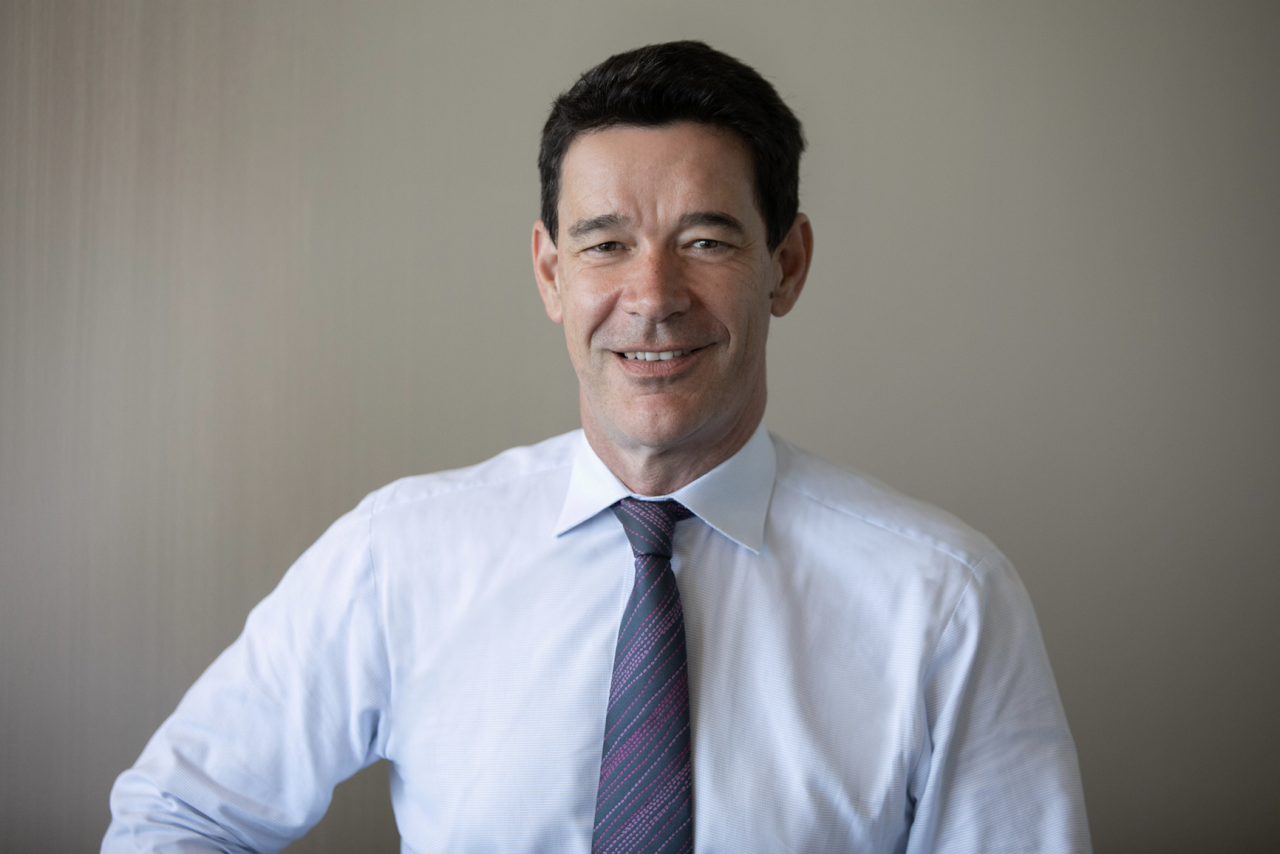
Karl Siegling, Cadence
Headwinds
The big potential headwind is higher interest rates. Since the mid-1980s, investors have made money by buying assets that benefit from falling interest rates. For example, they borrowed heavily to invest in property, then watched the value of their property rise. Or they owned companies that benefit from lower interest rates. That trend has changed. After decades of falling rates, we now have rising rates worldwide. Rates might stabilise in the short term, but Cadence’s view is that the natural inclination is for rates to head higher in the medium term. Lenders will need higher rates to compensate for higher inflation and rising geopolitical risks and uncertainty. If central banks increase rates by more than the market expects, equity valuations would have to adjust lower.
On balance
In 12 months, Cadence believes Australian interest rates will be higher and that interest-rate-sensitive stocks could be under more pressure. Strength in commodity producers could partially offset broader weakness in Australian shares if rates rise further from here. At best, we see Australian shares delivering a flat return in 2026-2027. Nevertheless, market conditions may vary, which different investment approaches may respond to in different ways.
From ASX
More information on Listed Investment Companies is available in the ASX Investment Products Monthly Report.
DISCLAIMER
Information provided is for educational purposes and does not constitute financial product advice. You should obtain independent advice from an Australian financial services licensee before making any financial decisions. Although ASX Limited ABN 98 008 624 691 and its related bodies corporate (“ASX”) has made every effort to ensure the accuracy of the information as at the date of publication, ASX does not give any warranty or representation as to the accuracy, reliability or completeness of the information. To the extent permitted by law, ASX and its employees, officers and contractors shall not be liable for any loss or damage arising in any way (including by way of negligence) from or in connection with any information provided or omitted or from any one acting or refraining to act in reliance on this information.
© Copyright ASX Operations Pty Limited ABN 42 004 523 782. All rights reserved 2026.
More Investor Update articles
Don’t miss the latest insights from ASX Investor Update on LinkedIn
The views, opinions or recommendations of the author in this article are solely those of the author and do not in any way reflect the views, opinions, recommendations, of ASX Limited ABN 98 008 624 691 and its related bodies corporate (“ASX”). ASX makes no representation or warranty with respect to the accuracy, completeness or currency of the content. The content is for educational purposes only and does not constitute financial advice. Independent advice should be obtained from an Australian financial services licensee before making investment decisions. To the extent permitted by law, ASX excludes all liability for any loss or damage arising in any way due to or in connection with the publication of this article, including by way of negligence.